Low-Fat Diet
The low-fat diet is ideal for people who are overweight - who are more prone than the less well-padded to develop kidney trouble, heart disease, diabetes, high blood pressure, psychological problems, liver damage and liver disease such as hepatitis. They also invariably have a high level of cholesterol in the blood. A low-fat diet is also recommended for people who show signs of hyperglycaemia.
High cholesterol levels
Fats should be avoided where possible - saturated and unsaturated. Saturated fats are found mainly in animal products. Cholesterol blood levels are raised by saturated fatty acids. Unsaturated fatty acids are found in vegetable fats. Two notable exceptions are cocoa oil and coconut oil, which are almost saturated. Heated vegetable oil and the fats in roasted nuts are saturated. Fish tends to have more unsaturated than saturated fats.
While it is true that unsaturated fats lower cholesterol levels in the blood, they create havoc by raising triglyceride levels. Over the long term a high consumption of fats in the human body leads to the following problems:
 capillary blockage
depletion of vitamin E
gallstones
promotion of tumour growth
Also, fats provoke the production of bile acids, which in excess can lead to the growth of anaerobic bacteria, a carcinogenic environment.
All fats form a fatty film around elements in the blood - particularly the red blood cells - and prevent them from functioning properly. The effects can be felt instantly. Note how tired you feel after a meal that is rich in fats. This is because the body and the brain have failed to receive a sufficient supply of oxygen. It is by contrast possible to feel energized after a lighter and more balanced meal. When we eat fatty meals, the body burns glucose very quickly to force it to use the large fat reserves. A byproduct of burning fats is an acid-metabolite called ketones. Too many ketones in the body create a collapse - ketosis. A diet low in fats is thus the most beneficial.
Cholesterol is a sterol - like a wax - and does not dissolve in the blood plasma. The body needs a certain amount of cholesterol to make bile acids for digestion and steroid hormones such as progesterone and the adrenal glucocorticoids. It is also found in nerve fibre sheaths and cell membranes.
But an excess of cholesterol in the blood causes it to stick to artery walls, hardening and narrowing them. These deposits are especially dangerous in the coronary arteries. The more the plaque builds up, the more slowly the blood flows towards the heart. If the plaque builds up to such an extent that it effectively closes the blood vessel, the tissue dependent on the blood fed by that artery dies. When part of the heart begins to die, a myocardial infarct occurs. When a section of the brain is similarly starved, a stroke occurs.
Daily schedule
ON RISING
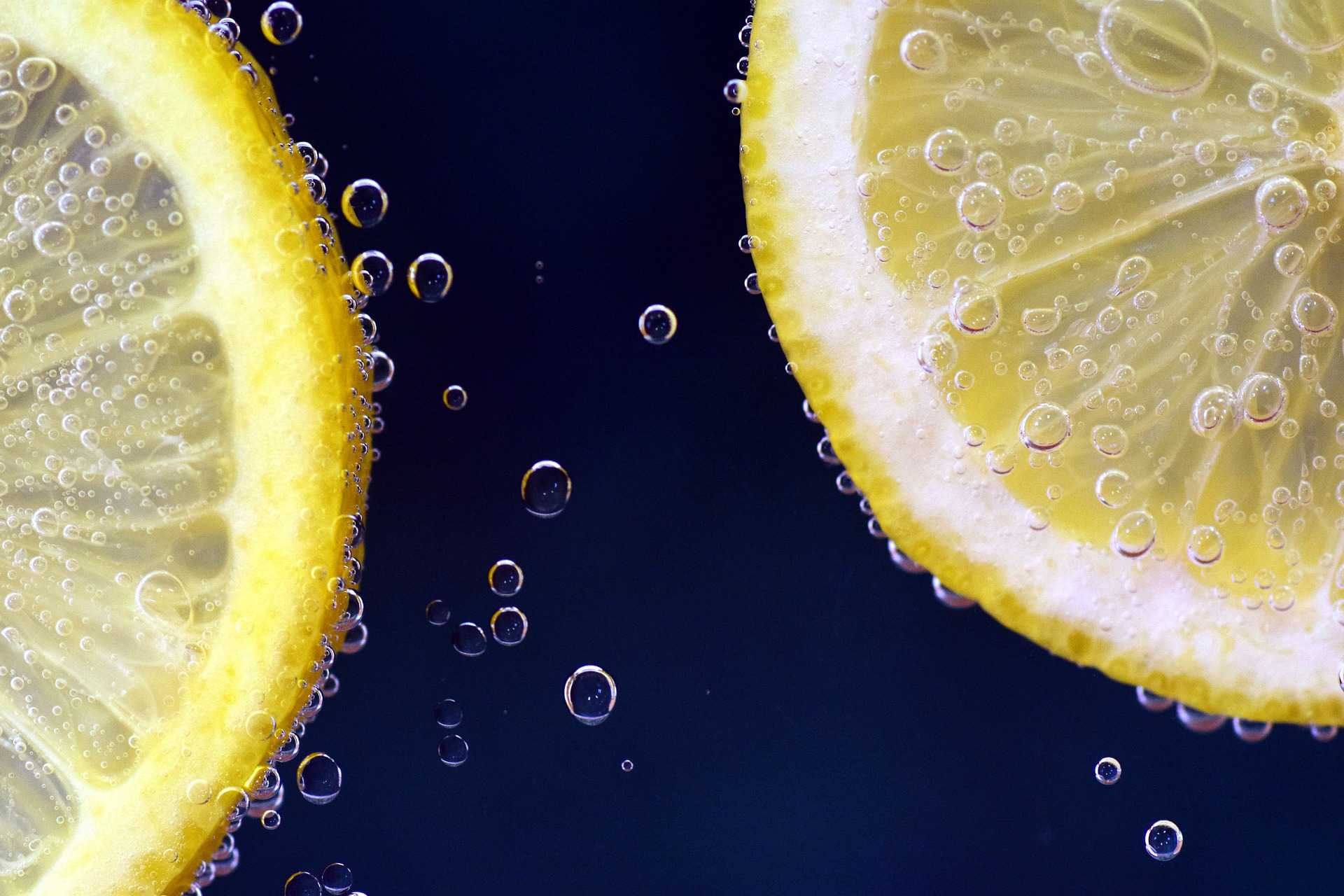
Have an eggcup of safflower oil (25ml) on an empty stomach. Then suck a slice of lemon.
BREAKFAST
Weak black tea, herbal or fruit tea - skimmed milk and sugar can be added if you wish.
Raw or stewed fruit.
Porridge or breakfast cereal with skimmed milk and sugar.
Boiled smoked haddock or white fish.
Brown bread toasted, with honey or syrup.
MID-MORNING
Glass of lemon barley water.
LUNCH
Boiled or steamed white fish, chicken, turkey, stewed liver or kidney, or very lean beef or mutton.
Potatoes, boiled or baked in jackets or mashed with skimmed milk. Boiled vegetables - such as cabbage, cauliflower, spinach, celery, carrots, parsnips, turnips - or salad.
Boiled rice,skimmed milk pudding, stewed or fresh fruit. Glass of lemon barley water.
TEA
Weak tea, herbal or fruit tea - skimmed milk and sugar are allowed.
DINNER
As lunch.
BEFORE RETIRING (and during the night if awake) Glass of lemon barley water - hot or cold.
DO NOT EAT ANY OF THE FOLLOWING
Butter, cream, margarine, dripping, suet, lard, oil, mayonnaise, eggs - or any dishes containing these items. Fat fish such as salmon, herring, mackerel, bloaters, kippers. Duck, goose, foie gras. Fat meat, pork, ham, bacon, sausages. Fried foods. Roast potatoes, potato chips, fried onions. Yorkshire pudding, suet dumplings, crust and pies. Suet pudding, pastry, fritters, ice cream, cake mixture puddings, macaroni, cakes. Chocolate, cocoa flavourings. Whole milk. Chocolate, coffee, caramel, marzipan, nuts. Shortbread, biscuits containing fat.
Assignments
These may seem unusual, but consider performing them in the interests of your health.
1. Sing loudly for 10 minutes.
2. Skip with a rope for 10 minutes.
3. In the shower, run hot and cold water on the spine - 3 minutes hot and 1 minute cold. Do this 3 times and finish with a cold shower.
4. Have a tickling session with a partner for 10 minutes.
5. Eat an avocado, a papaya and a cos (Romaine) lettuce every day.